Main content blocks
Section outline
-
-
Students mustMark as done
1. The role of transparency in transboundary water management
Transparency in water governance means ensuring that data, processes, and decisions are accessible and understandable to relevant stakeholders. However, the degree of openness varies, as some data is restricted to experts, while other information is publicly available.
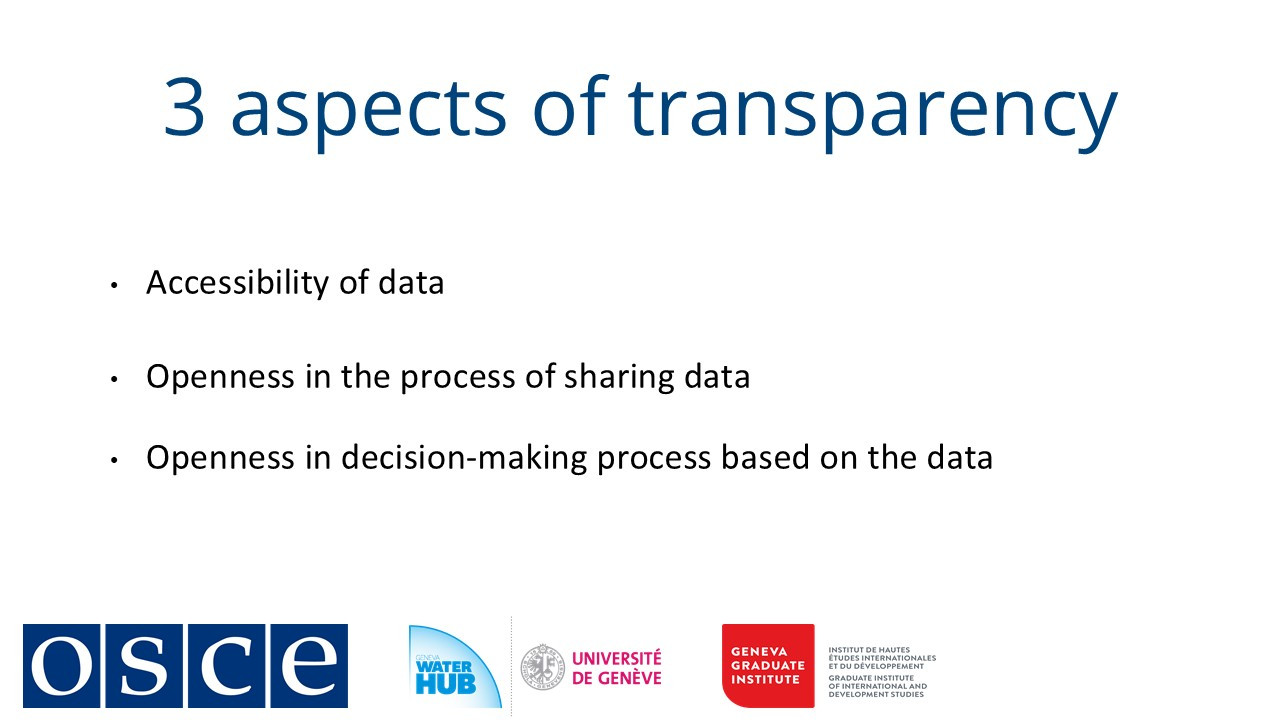
In transboundary water management, transparency operates at three key levels:
-
Data accessibility: Is hydrological, meteorological, or usage data available to stakeholders, or is it restricted?
-
Process openness: Are the methods of data collection, analysis, and modeling shared to allow quality assessment?
-
Inclusive decision-making: Are governance processes open to participation beyond technical and political elites?
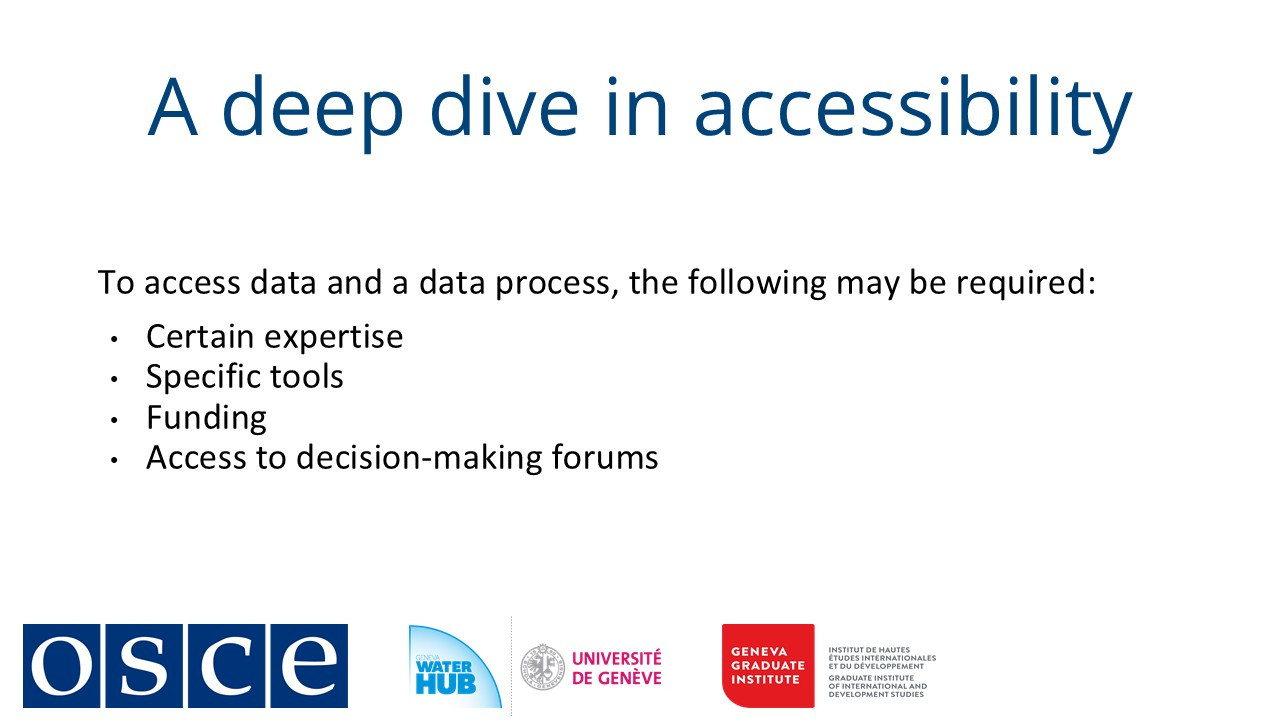
Despite its benefits, transparency faces significant barriers. Many stakeholder groups, particularly local communities, indigenous groups, and marginalized populations are excluded due to technical, financial, or institutional obstacles. For instance, interpreting hydrological data often requires specialized expertise, while participation in decision-making forums may depend on political access or funding.
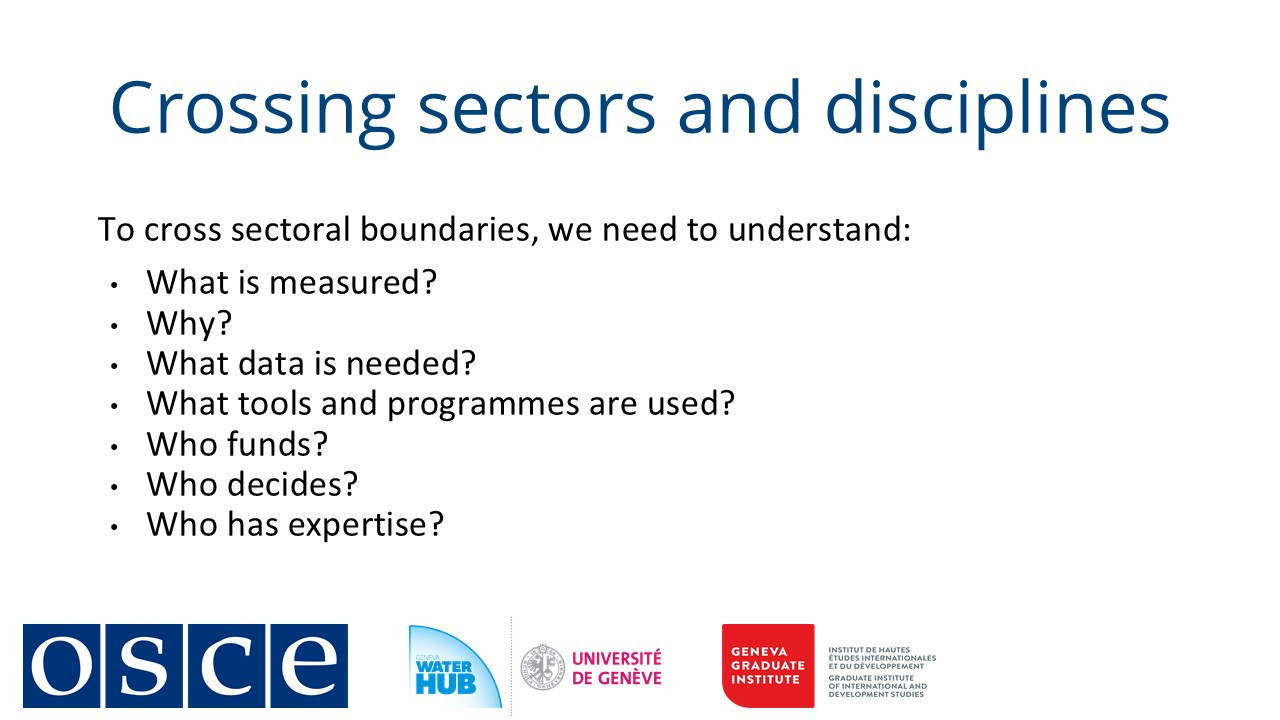
Water management intersects with food and energy systems, yet these sectors frequently operate in isolation. Divergent monitoring standards, incompatible datasets, and competing institutional priorities hinder integrated planning. Effective coordination requires aligning data collection, agreeing on shared platforms, and clarifying decision-making responsibilities, which is often a slow and politically fraught process.
Transparency is a deeply political element. Open data can empower accountability, such as when poor water quality triggers public scrutiny or legal penalties. However, it can also provoke resistance because governments or institutions may withhold data due to fears of exposing non-compliance, inviting external interference, or losing control over information. Additionally, open datasets can be exploited by private entities, raising ethical concerns.
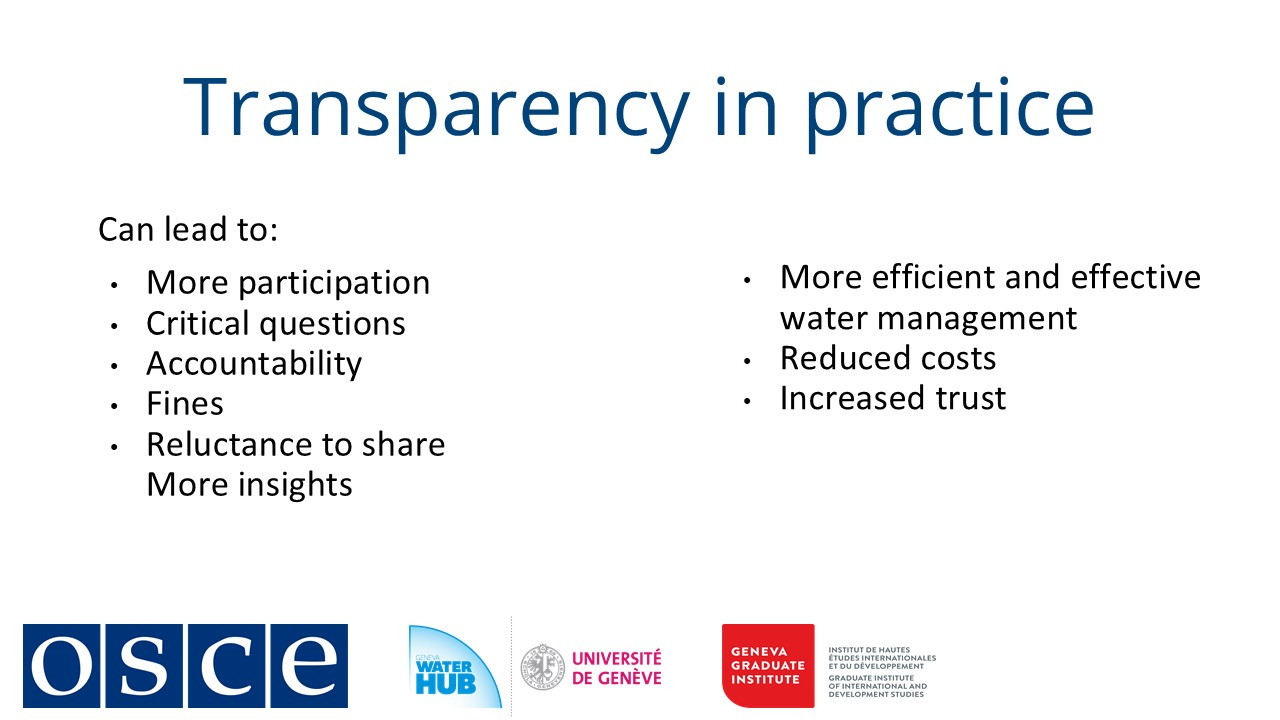
Despite these challenges, transparency strengthens water governance by improving efficiency, reducing costs, and fostering trust between nations. Over time, robust monitoring systems can depoliticize data sharing, as stakeholders grow accustomed to collaborative frameworks. Institutionalized transparency also supports compliance with international agreements, ensuring more sustainable and equitable water management.
-
-
Students mustMark as done
2. Data and neutrality: the political nature of data monitoring
Scientific measurements in water management are often perceived as neutral, yet they are inherently political. Data collection, such as river flow measurements or pollution sampling, depends on where, what, and how variables are measured, influencing interpretations and policy decisions. For example, differing sampling locations along a transboundary river can yield conflicting conclusions about water quality, leading to disputes.
Beyond raw data, assessments require value judgments, such as determining acceptable water quality standards. These benchmarks are not purely scientific but are shaped by policy agreements (e.g., the EU Water Framework Directive) and negotiations between stakeholders. Disagreements over thresholds or pollution sources highlight the political dimensions of water governance.
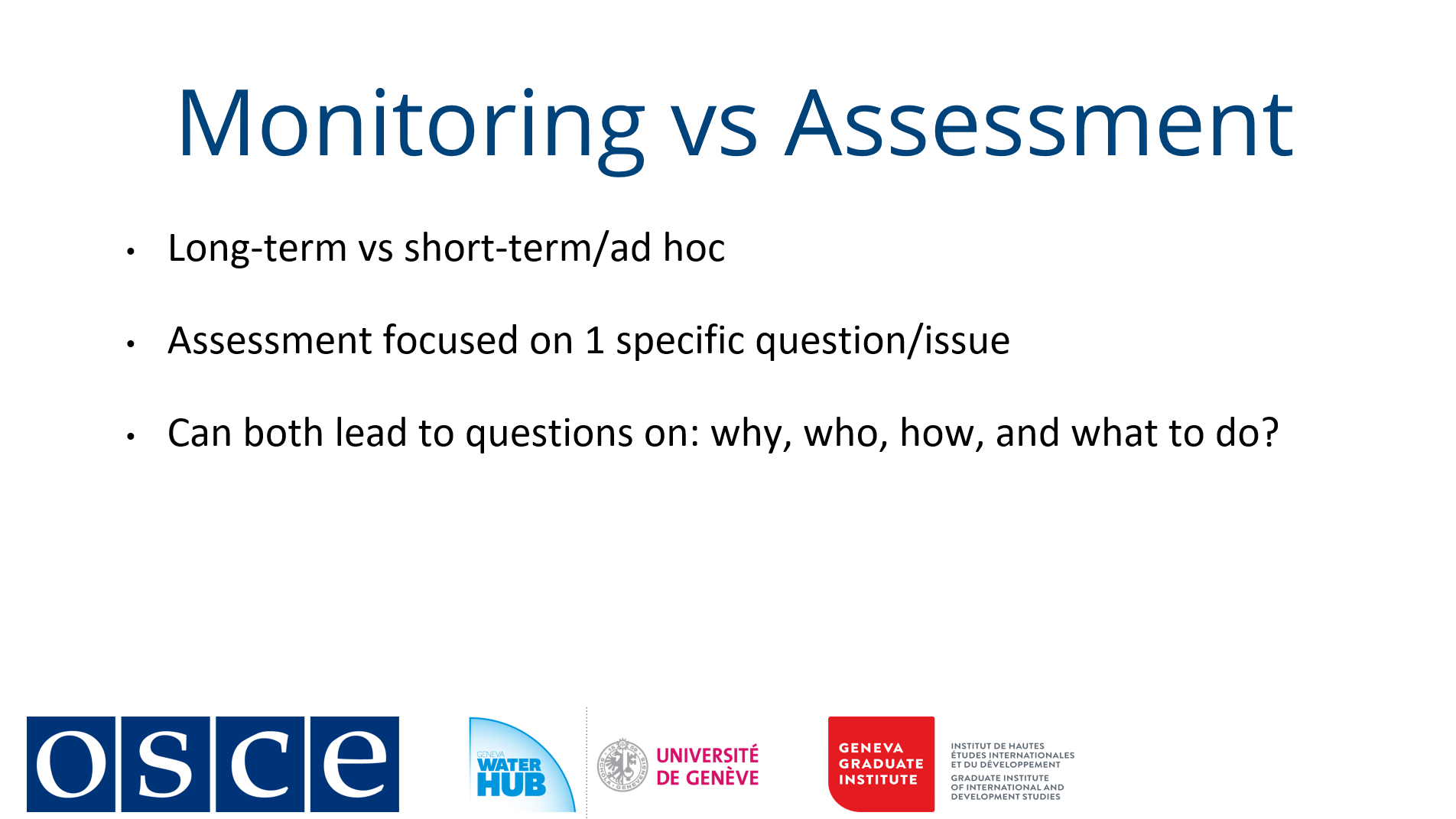
What is the difference between monitoring and assessment?
-
Monitoring involves long-term data collection on water quantity and quality, supporting regulatory and usage decisions (e.g., drinking water safety);
-
Assessment is often short-term and investigative, identifying pollution sources (e.g., industrial leaks) or causes of groundwater depletion.
Both processes operate at the science-policy interface, blending technical methods with political negotiation. Divergent methodologies do not necessarily invalidate data but underscore the need for agreed-upon protocols. Joint fact-finding, where stakeholders collaboratively define monitoring goals, methods, and funding, can mitigate conflicts by ensuring mutual acceptance of findings.

Ultimately, water data is never purely neutral; it reflects the priorities, power dynamics, and institutional frameworks of those who collect and use it. Transparent, cooperative approaches are essential to balancing scientific rigor with equitable decision-making.
-
-