Main content blocks
Section outline
-
-
Students mustMark as done
1. Examples of open data platforms and the importance of data standards
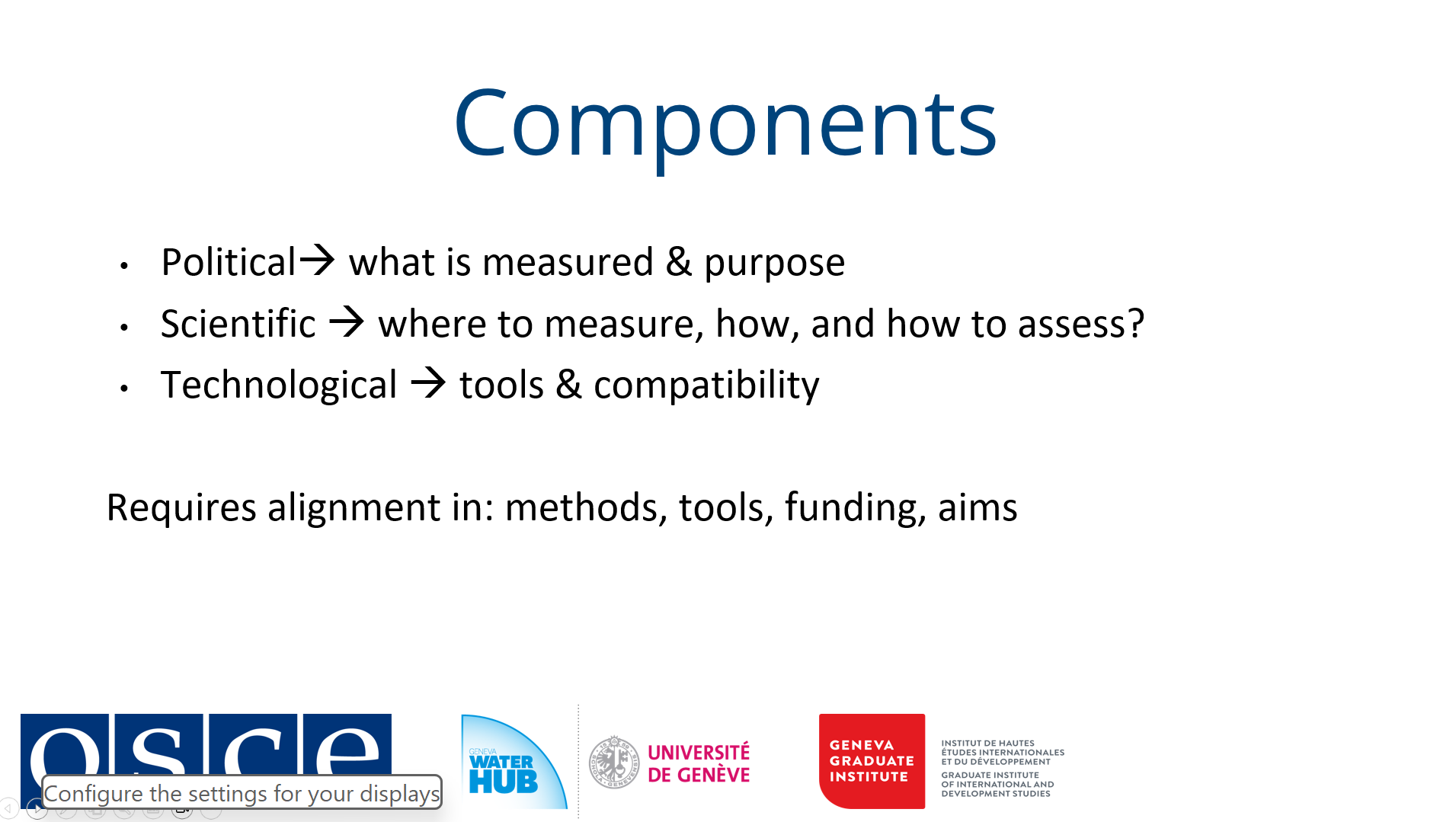
Effective water management relies on robust data collection and sharing systems that operate at the intersection of science, policy and technology. While technological advances like remote sensing and cloud computing have dramatically expanded our monitoring capabilities, the true potential of these tools can only be realized through establishing comprehensive data standards that address political, scientific and technical dimensions.
From a political perspective, data standards fundamentally shape what gets measured and why, reflecting policy priorities and governance structures. The selection of monitoring parameters and indicators often involves delicate negotiations between stakeholders with competing interests. Scientifically, standards ensure methodological consistency in data collection approaches, whether using remote sensing platforms or ground-based measurements, and analytical techniques. The choice between different evapotranspiration models or water quality assessment methods, for instance, can significantly influence the resulting datasets and their interpretation.
On the technical side, interoperability remains a critical challenge. Even when measuring the same phenomena, differences in data formats, storage systems and analytical tools can create barriers to effective data sharing and integration. A monitoring system using one software platform may produce datasets incompatible with another country's analysis tools, despite measuring identical water parameters. These technical hurdles often mirror deeper political and institutional divides in transboundary water management.
The implementation of open data platforms represents a promising approach to overcoming these challenges while enhancing transparency. These systems range from restricted-access platforms for authorized government agencies to fully public portals, with access levels reflecting both technical capacities and political agreements. Successful examples include real-time water quality monitoring networks in shared river basins and global frameworks like the UN's Sustainable Development Goal monitoring system, where countries contribute standardized water indicators.
However, the effectiveness of such platforms depends on more than just technical design. Truly functional data sharing systems require alignment across multiple dimensions: consistent monitoring protocols, compatible measurement technologies, harmonized analytical methods, and perhaps most critically, sustained political commitment. When these elements converge, the benefits are substantial - reduced monitoring costs, minimized conflicts over data interpretation, and more efficient water governance.
-
Students mustMark as done
2. Challenges and ways forward
The evolving landscape of data sharing and water management faces both geopolitical and technological challenges. Geopolitical tensions increasingly influence countries' willingness to share data transparently, with concerns over data sovereignty and accountability shaping international cooperation. Despite these constraints, the benefits of open data supporting decision-making, public accountability, and efficient water governance remain critical, particularly for local communities dependent on shared water resources.
Technological advancements offer promising solutions but also present new complexities. Remote sensing and mobile applications have democratized data collection, enabling broader public participation in monitoring efforts. However, these tools cannot fully replace in-situ measurements, especially as the interconnectedness of physical and human systems demands contextual understanding alongside raw data.
The rise of AI and digital twin technologies introduces both opportunities and risks. While machine learning can uncover hidden patterns in vast datasets, its "black box" nature raises concerns about interpretability and trust. Digital twins - virtual replicas of water systems, aim to improve management but struggle to fully capture hydrological and socio-political complexities.
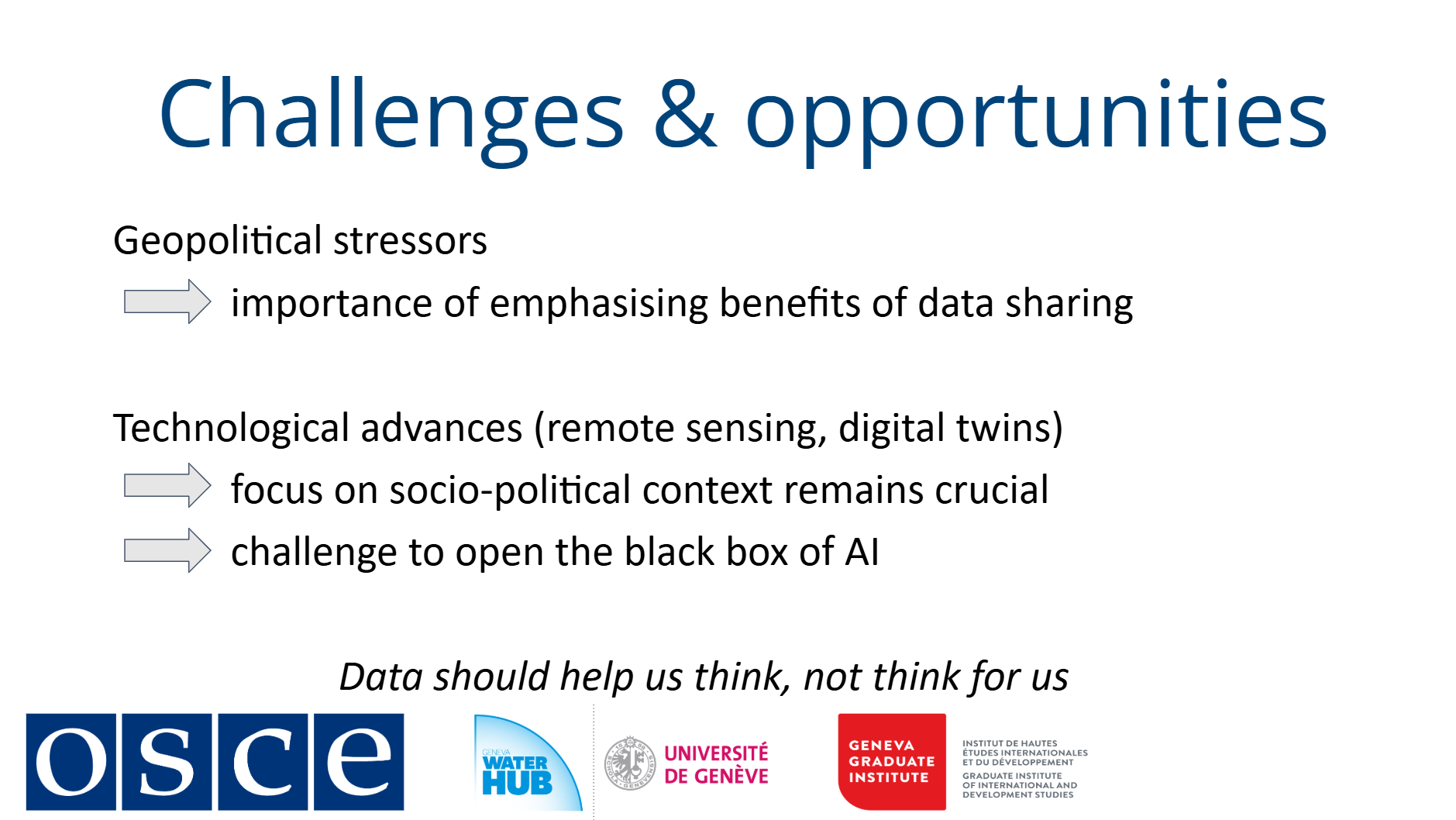
Moving forward, technology should augment, not replace, human judgment. Strengthening institutional capacity to assess risks, validate AI-driven insights, and integrate local knowledge remains essential. Balancing innovation with critical oversight ensures that digital advancements serve equitable and sustainable water management.
-