Main content blocks
Section outline
-
-
Students mustMark as done
1. Benefits of data exchange. Types of relevant data and information
Human activities and natural events, such as climate change, floods, and droughts, pose serious and growing risks to freshwater resources and the livelihoods that depend on them. These pressures are especially complex in transboundary river basins, where water systems cross national borders and require coordinated action.
Developing and maintaining effective monitoring systems and frameworks for data sharing in these basins demands effort, but the benefits are far-reaching. Reliable data helps us assess the overall condition of river basins, identify emerging issues, track environmental and human-induced changes, estimate pollution levels, and improve disaster preparedness through stronger early warning systems.
Beyond technical benefits, data sharing also plays a key role in building trust and transparency, fostering cooperation, and supporting evidence-based decision-making for sustainable and equitable water management.
Types of relevant data and information
Successful water governance depends on accurate, timely, relevant, and reliable data. But what data are most relevant to share across borders?
When setting up a monitoring system, it's important to take a practical approach, focusing on the most relevant indicators and challenges specific to the basin. Timing and location of data collection should be aligned with the basin’s most pressing water issues. Some essential areas for data collection and exchange include:
-
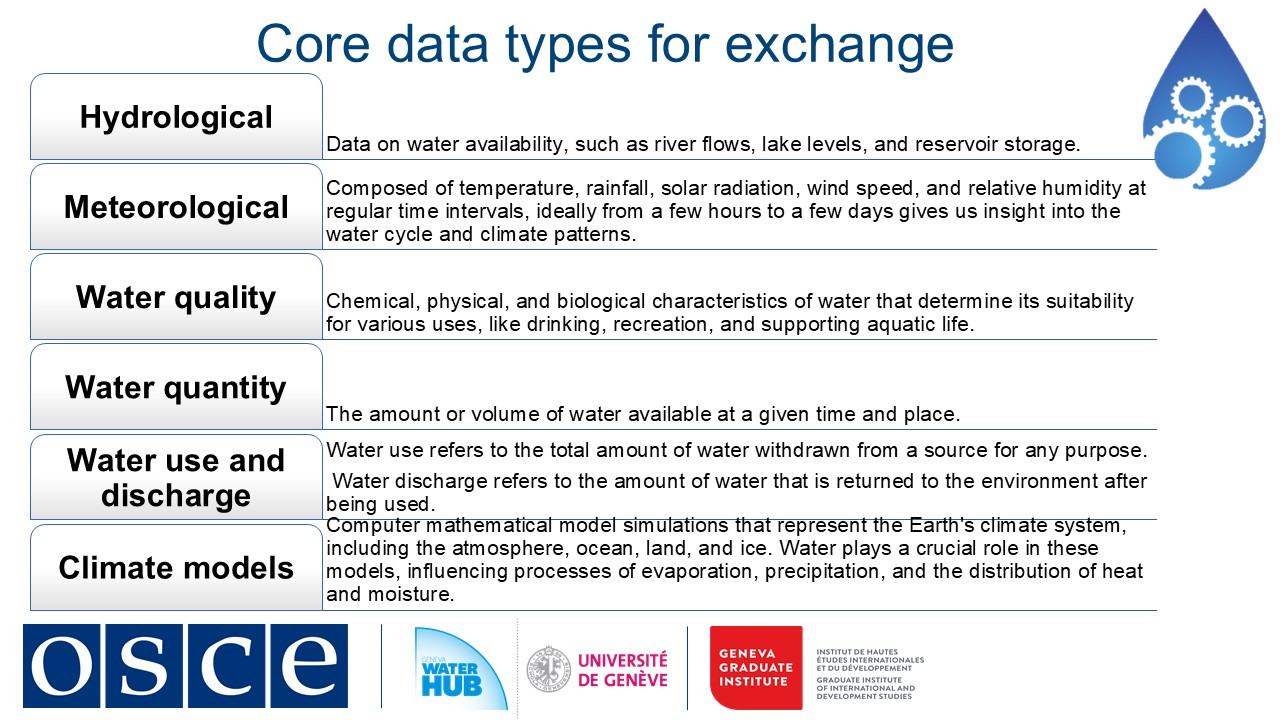
Hydrological data: river flows, lake levels, and reservoir storage provide insight into water availability.
-
Meteorological data: rainfall, temperature, humidity, and wind patterns help us understand climatic influences on the water cycle.
-
Water quantity and quality data: supports prediction, risk management, and pollution control.
-
Water use and discharge: how much water is abstracted and returned, which is critical for sustainability and fairness.
-
Climate modeling: helps anticipate extreme weather events such as droughts or floods and prepare proactively.
Regular exchange of this information enables more sustainable, inclusive, and climate-resilient water management practices.
Environmental data, particularly on ecological health, is equally important. Pollution remains a widespread threat, often originating from municipal, industrial, and agricultural sources. These contaminants affect both human health and ecosystem resilience. Monitoring and sharing data on pollutant types and sources helps ensure accountability and supports timely interventions across borders.
Another vital, yet often neglected component of the water cycle is groundwater, which accounts for approximately 30% of the world’s freshwater. It serves as a crucial source of drinking water, agricultural irrigation, and industrial use, and acts as a natural buffer during droughts.
Effective basin-level management requires a comprehensive view of the entire water cycle, including both surface and groundwater, upstream and downstream systems. This holistic approach ensures that no element is overlooked in planning and policy.
-
-
Students mustMark as done
2. Modalities and conditions for effective exchanges
Effective transboundary water management relies on robust data exchange, which can take various forms. Data sharing may be direct, with treaties specifying exact parameters like river flow rates and water quality levels, or indirect, occurring through notifications and structured discussions. Countries might also share water data through indirect mechanisms, such as prior notification of planned measures and formal communications via joint institutions or political consultations. While informal collaboration among experts and researchers can supplement these efforts, formal agreements provide greater reliability and consistency in data exchange.
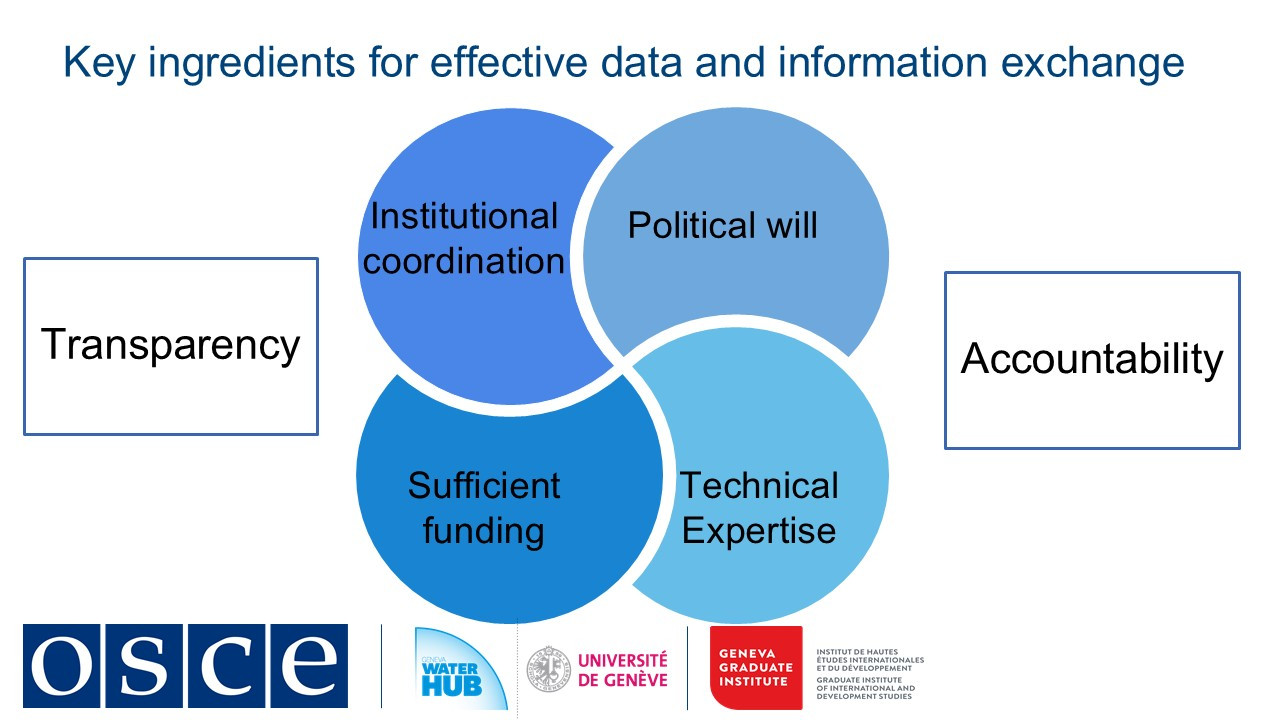
A strong political commitment from decision-makers forms the foundation of effective data exchange. Countries with shared values and interests are more likely to build trust, engage in negotiations, and establish long-term cooperation frameworks. Without political will, even well-crafted agreements risk remaining unimplemented. To operationalize these commitments, intergovernmental agreements must establish clear mandates for riparian states to share data, empowering national institutions and joint bodies to collect, process, and disseminate information systematically.
Institutional coordination is equally important. Water management involves multiple agencies at national and local levels, each contributing to data collection and exchange. Effective coordination prevents duplication of efforts and ensures seamless intrastate and interstate decision-making.
Technical expertise is another essential component. Accurate data collection, analysis, and interpretation require specialized knowledge in satellite technology, telemetry, and communication networks. Skilled professionals are necessary to maintain data reliability, which underpins sound water management decisions.
However, expertise alone is insufficient without sustainable funding. Governments must allocate resources for measurement tools, personnel, software, and infrastructure maintenance. Inconsistent funding can undermine data quality, reducing its usefulness for policymaking.
Transparency is vital to ensure that data-sharing efforts align with their intended goals. Open and verifiable processes build trust between countries, fostering effective cooperation. Accountability mechanisms, such as regular reporting and public access to information, allow stakeholders to monitor compliance and assess the effectiveness of water management strategies.
Since water resources directly impact communities, involving local populations in decision-making is crucial. Public participation ensures that water management aligns with the needs of those who depend on these resources for drinking, agriculture, and livelihoods. Engaging communities enhances monitoring efforts and promotes more sustainable solutions
-
Students mustMark as done
3. Case study: Strengthening data and information sharing in the Lake Titicaca basin
In the case study on the lake Titicaca we explore how local communities, particularly indigenous people, are strengthening data and information sharing in transboundary waters. While cooperation between states is often seen as the domain of ministries and high-level officials, we must recognize that effective water governance depends equally on non-state actors, especially those who live closest to these shared resources.
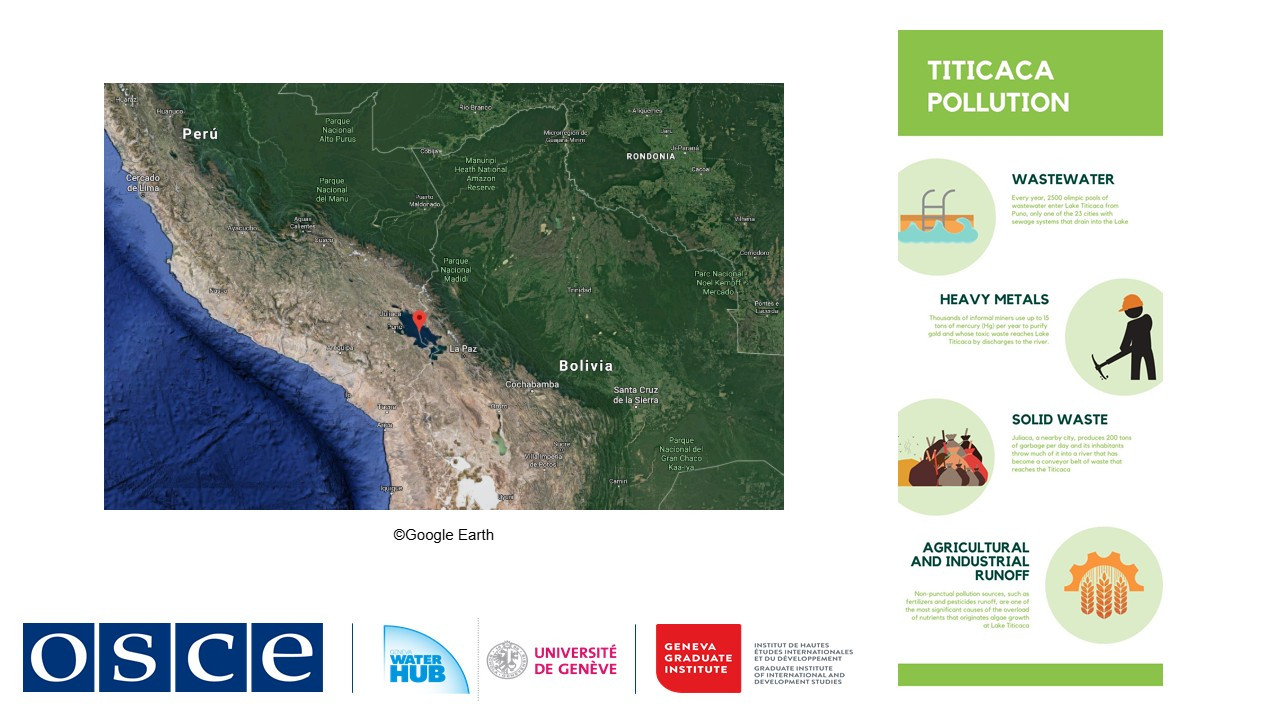
Lake Titicaca, the world’s highest navigable lake (at 3,812 meters above sea level), is a vital transboundary water resource shared by Peru and Bolivia. Spanning approximately 8,372 km², it is the largest freshwater lake in South America and a lifeline for over 3 million people, including indigenous Aymara and Quechua communities who consider it sacred. The Aymara and Quechua rely on the lake for fishing, agriculture, and tourism, embedding it in their spiritual and cultural identity. However, many lakeside communities lack basic services, exacerbating reliance on the lake’s dwindling resources.
Lake Titicaca basin currently faces severe threats:
-
Pollution from mining, agriculture, and urban runoff;
-
Poverty and limited economic opportunities for lakeside communities;
-
Governance gaps, despite the existence of the binational Lake Titicaca Authority.
While institutions exist, local communities often feel excluded from decision-making, leaving the lake’s protection unevenly enforced.
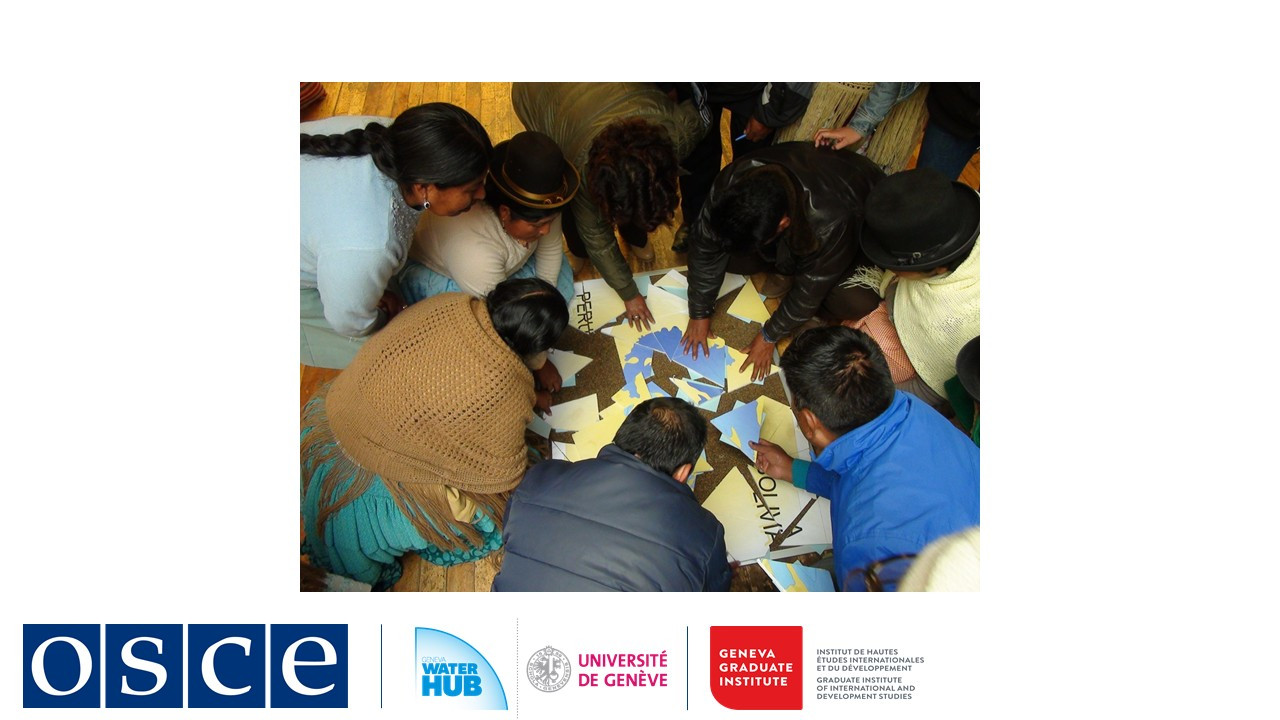
For over a decade, IUCN’s BRIDGE program has worked to foster cooperation in the Titicaca Basin by bridging divides between governments and communities, and between traditional knowledge and modern science.
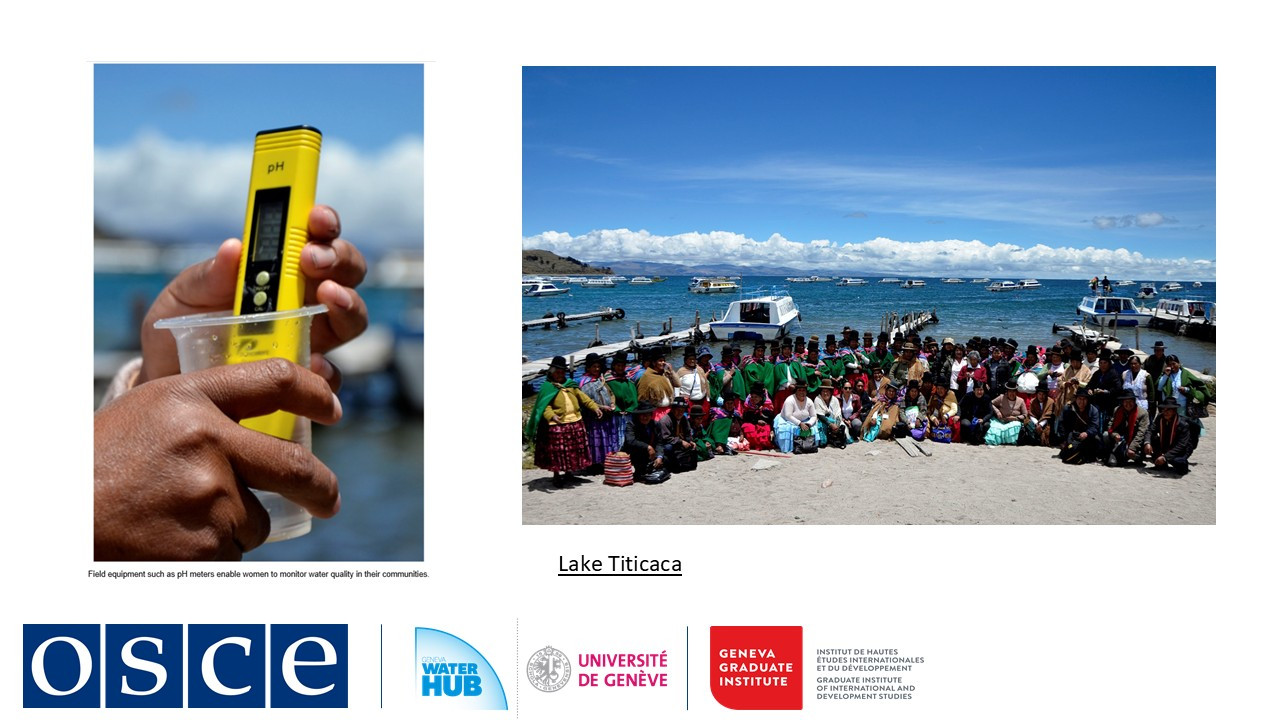
These initiatives highlight a precious lesson: Indigenous communities are not just one of stakeholders but essential partners in data collection and water governance. The work in Lake Titicaca is just one example of how local empowerment transforms water diplomacy. We encourage you to explore BRIDGE’s efforts in this basin and beyond at waterandnature.org.
-
-