Section outline

  • The e-learning course "Data sharing and digitalization in the water sector" aims to increase awareness of water practitioners, government officials, and university students in the field of water governance on the role of digitalization 

    About this course

    The e-learning course on "Data sharing and digitalization in the water sector" equips water professionals, policymakers, and development practitioners with the knowledge and skills to harness digitalization for better water governance. Digitalization tools in the water sector enhance transparency and accountability in water management, contributing to strengthened transboundary water co-operation. 

    The course provides the knowledge and skills to strengthened dialogue and co-operation around transboundary water bodies and enhanced knowledge of the role of digital tools in transboundary water resource management, to highlight the importance of data and information exchange for the effective management of water and provide an overview of current and available mechanisms to understand and measure water conditions as a means to promote cooperation, peace and regional integration.

    By the end of the course, the participants will have the overview of digital tools to enhance transboundary water cooperation and get acquainted with data-sharing frameworks that improve water cooperation. 

    Requirements

    Everyone, regardless of previous education, can take part in this course. The course is particularly useful for water practitioners, policymakers, and university students with a keen interest in water management and its interlinkages with digital tools.

    • Hello and welcome!

      Have you ever wondered how digital tools can transform the way we manage and protect our shared water resources? In a world where climate change, growing populations, and competing demands are putting unprecedented pressure on freshwater systems, digitalization is essential.

      Transboundary waters connect nations, ecosystems, and communities, creating interdependencies that demand cooperation. Yet, without accurate data, transparent information exchange, and cutting-edge technologies, effective collaboration remains a challenge. Digital tools bridge this gap, enabling real-time monitoring, smarter decision-making, and stronger trust between nations.

      In the next few hours, we’ll explore how digitalization is revolutionizing the water sector and why data sharing is the cornerstone of transboundary water cooperation. We will also learn how innovative technologies (like IoT sensors, geospatial systems, and smart water grids) enhance transparency and accountability and why it is important to integrate digital solutions into water diplomacy, conflict prevention, and sustainable governance.

      Let’s begin!

    • Course objectives

      The course will enable participants to achieve following objectives:

      • Understand the role of digitalization in enhancing transboundary water cooperation, governance, and conflict prevention and critically assess the challenges of digitalization (e.g., data sovereignty, exclusion of marginalized communities);

      • Analyze legal and institutional frameworks that enable effective data exchange, including provisions from the UN Watercourses Convention and case studies;

      • Explore key technologies (e.g., IoT, AI, GIS, remote sensing) for data collection, analysis, and dissemination in water management.

      Course methodology 

      We hope that everyone, regardless of previous education, will enjoy this course. The course is particularly useful for water practitioners, researchers, and university students with a keen interest in water governance and its interlinkages with digitalization processes.

      The modules are designed in an interactive way. Each module comprises a series of short videos, extensive documentation, multiple supportive materials, and several activities to guide you in the learning process, including individual work on the didactic units and self-evaluation of knowledge with feedback.

      The course is self-paced, all the educational contents and activities are available from the beginning, and you can progress through its content according to your own schedule.

      The estimated time you need to complete the course is 4 hours.

    • Course staff and contributors

      Christian Brethaut

      Prof. Christian Bréthaut holds a PhD in Geosciences and Environment from the University of Lausanne. He has led the Geneva Water Hub’s Education and Knowledge component since August 2014. His area of expertise is the analysis of water policies and the issues associated with the management of cross border rivers. Prof. Bréthaut’s particular focus within the water management domain is the capacity of institutions to adapt, the water-food-energy-ecosystems nexus, and the exploration of the link between science and policy.

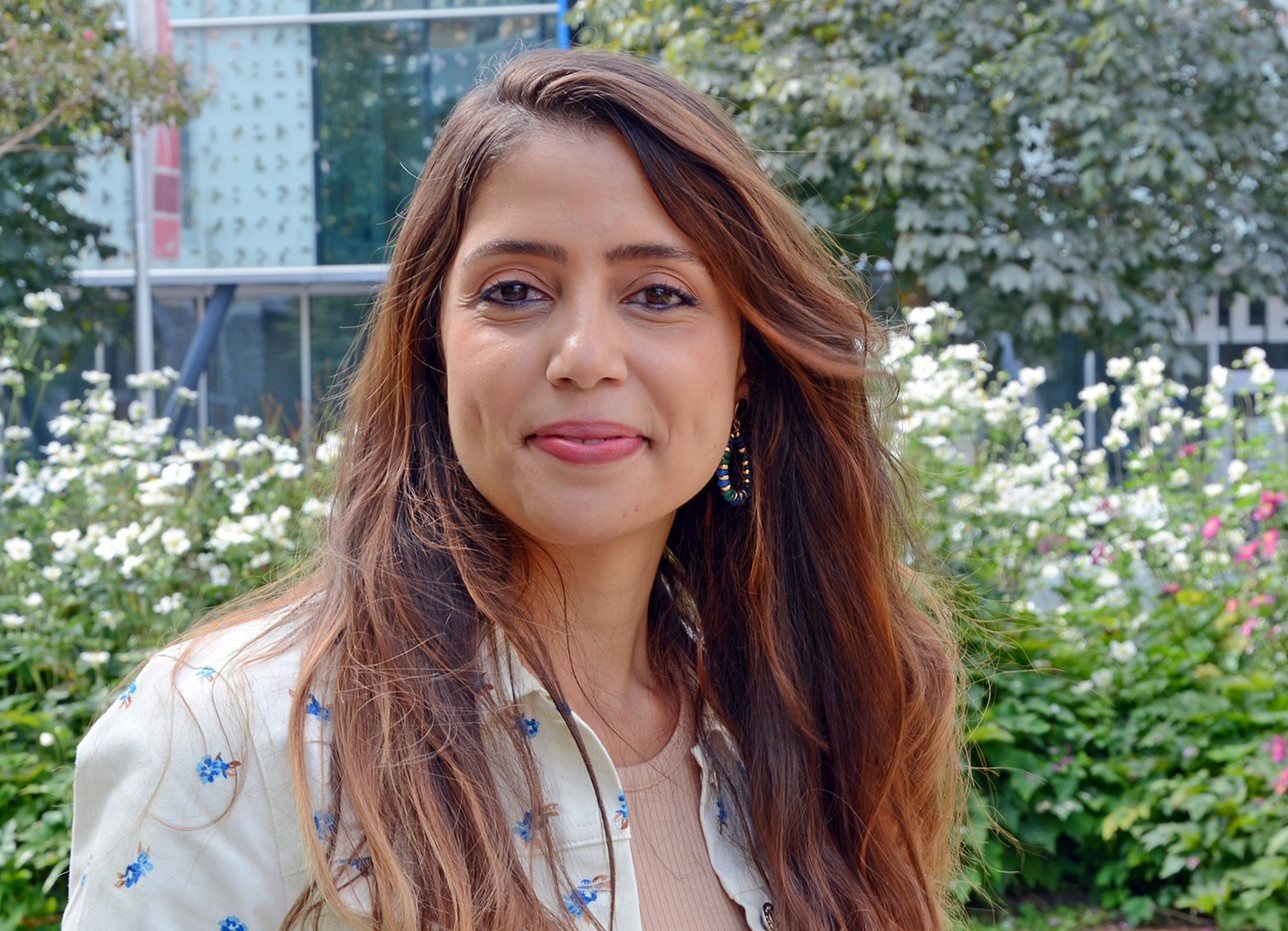
      Photo of Nadira Mukhamejan Nadira Mukhamejan is a researcher focused on environmental governance, water security and gender politics in Central Asia. Formerly with the UNESCO Chair and the Kazakh-German University, she analyzed regional water policy and led capacity-building efforts. As Swiss Water Partnership Youth coordinator and member of Central Asian Youth for Water, she promotes youth engagement in environmental decisions, and she contributed to the OSCE-led Drops of the Future workshops. Currently, supported by the Swiss Government Excellence Scholarship, Nadira is pursuing a PhD on water discourses in the Syrdarya river basin.
      Photo of Dr Mara Tignino Dr. Mara Tignino is a Reader at the Faculty of Law and the Institute for Environmental Sciences at the University of Geneva and Lead Legal Specialist at the Platform for International Water Law of the Geneva Water Hub. She holds a PhD in International Law from the Graduate Institute of International and Development Studies of Geneva. She has been a Visiting Scholar at George Washington University School of Law in Washington DC. In 2017, she was awarded the “Women Peacebuilders for Water” prize from “Fondazione Milano per Expo” for her research in international water law and her dedication to creating new generations of international lawyers.
      Photo of Dr. Imane Messaudi-Mattei Dr. Imane Messaoudi-Mattei holds a PhD in Geography from the University of Paris Nanterre and University of Fribourg. She is a Senior Researcher at the Geneva Water Hub and the Institute for Environmental Sciences at the University of Geneva. Her research focuses on water governance, socio-political dynamics of water conflicts, and participatory approaches to digital water management. She is particularly interested in how social sciences can inform policy and foster more inclusive and context-sensitive water strategies.
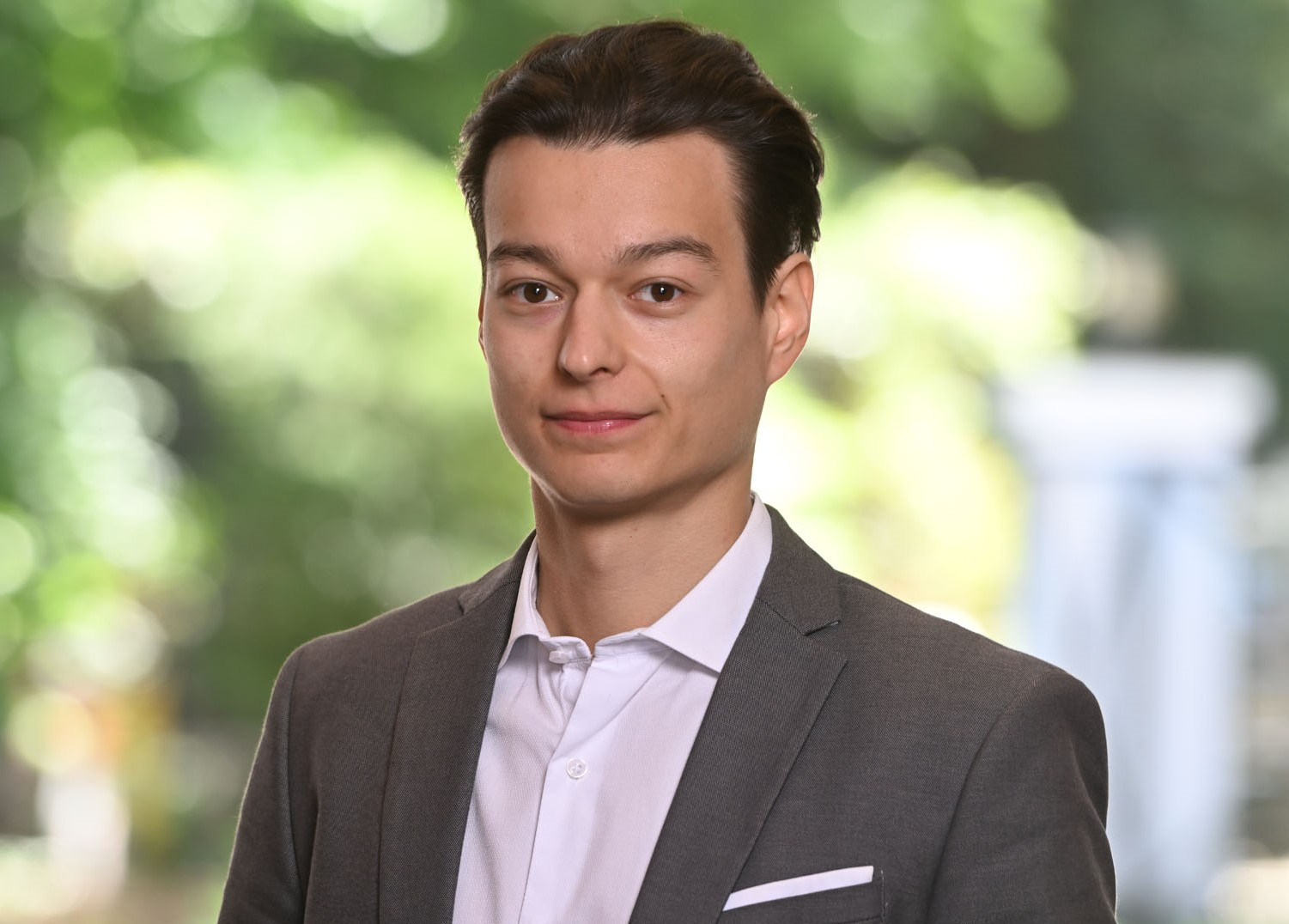
      Photo of Erik Schnetzler Erik Schnetzler is a Project Manager at the Geneva Water Hub, where he works at the nexus of water, peace, and security. He previously worked as an Environment Officer at the United Nations Environment Programme (UNEP) headquarters in Nairobi, focusing on water quality monitoring, and as a Consultant on water security in the Economic and Environmental Dimension of the Organization for Security and Co-operation in Europe (OSCE) Programme Office in Astana. Erik holds an MSc in International Relations from the London School of Economics and Political Science and a BA in History and Classics from the University of Basel.
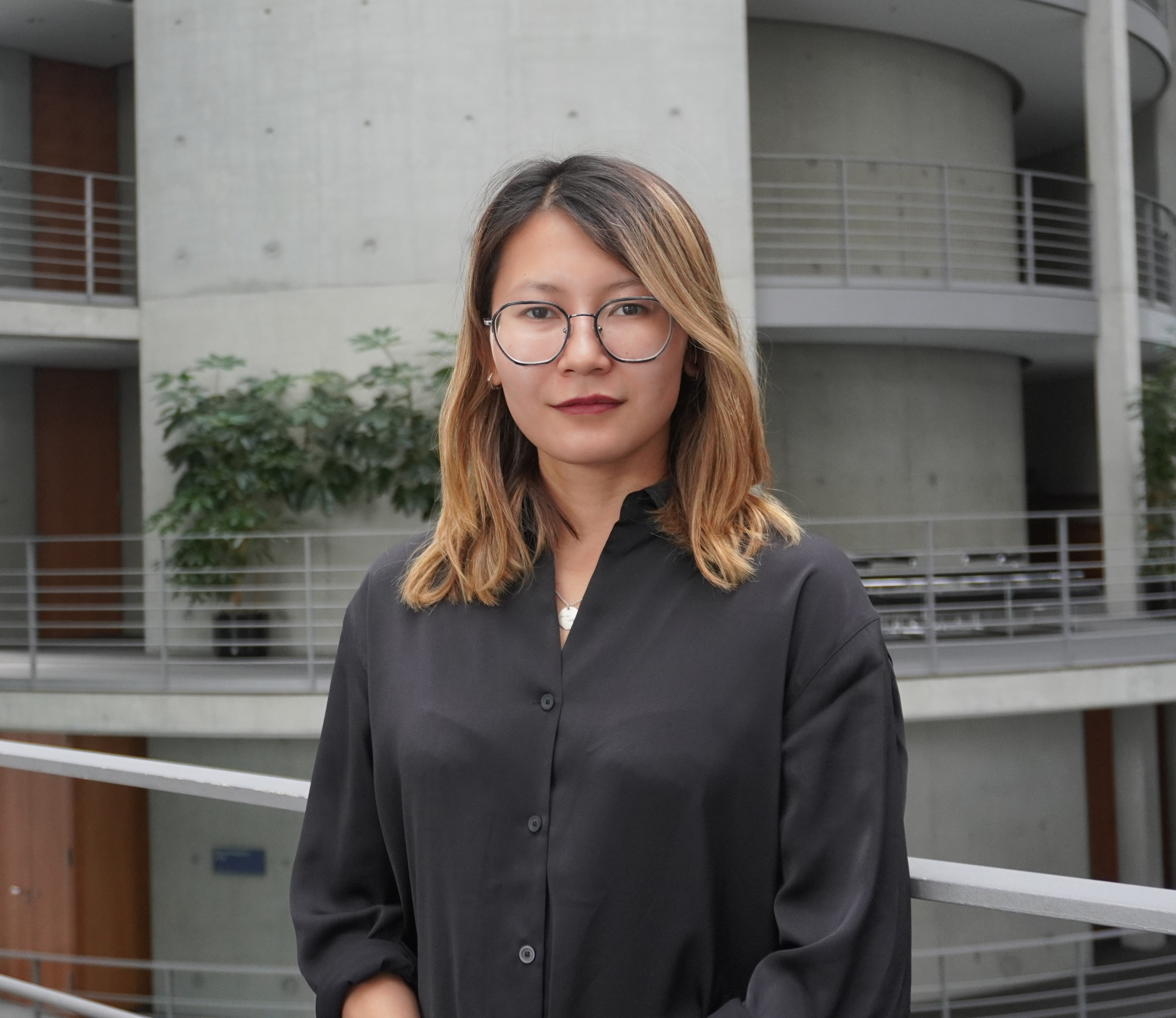
      Photo of Dr. Rozemarijn ter Horst 

      Dr. Rozemarijn ter Horst works as both programme manager on collectively driving secure and ethical digitalization for the Dutch Water Authorities, as well as freelancer. In her work she puts into practice what she researched at Wageningen University and IHE Delft, where she explored how we can constructively engage with the influence of models, especially in transboundary settings. 

      Rozemarijn focuses specifically on inter- and transdisciplinary cooperation and on the everyday practices of those who do and support (transboundary) water governance, including diplomats, policy makers, scientists, consultants and donors.

      Photo of Diego Hara Diego Jara is a Legal Officer at the International Union for Conservation of Nature. Since 2015, he has been involved in policy and legal processes for the promotion of transboundary water cooperation in South America, Africa and South-East Asia. His research interests focus on international environmental law, human rights and water diplomacy. Diego holds a Law degree from the Catholic University of Ecuador, as well as a postgraduate degree in Environmental Governance from the University of Freiburg (Germany).
      Photo of Bota Sharipova

      Bota Sharipova is a Doctoral Candidate in Water Conflict, Cooperation, and Diplomacy at IHE Delft Institute for Water Education. Since 2011, she’s worked on transboundary water projects in Central Asia’s Aral Sea Basin through her work for the International Fund for Saving the Aral Sea (IFAS), the German-Kazakh University, and consultancy for the Swiss Agency for Development and Cooperation (SDC), and the International Secretariat for Water (ISW). Bota’s doctoral research is focused on the role of trust in transboundary water cooperation, specifically in data sharing-related activities in Sava River Basin in South-Eastern Europe and Syrdarya River Basin in Central Asia.

    • Frequently asked questions

      What web browser should I use?

      The Moodle platform works best with current versions of Chrome, Edge, Firefox, Internet Explorer, or Safari.

      How long will the course take?

      You can do the courses at your own pace, but we expect that on average the course takes approximately 4 hours to complete.

    • Acknowledgements

      ©️ 2025 Organization for Security and Co-operation in Europe (OSCE)

      Opinions, interpretations, and conclusions expressed in these podcasts and videos are the personal views of the individuals and do not necessarily represent the views of the OSCE, its participating States, or its donors.

      The hosting of these podcasts and videos on an OSCE or OSCE-affiliated website or platform does not imply an endorsement of them, their content, or their contributors/creators, nor does the involvement of individuals in the podcasts and videos imply an endorsement of them or any entity they represent.

      Furthermore, the use of embedded content from third-party websites does not imply an endorsement of the content or the third-party, and the OSCE does not assume any liability for third-party content or websites.

      These podcasts and videos are for educational purposes. The OSCE does not assume any liability or make any representations or warranties regarding the content therein.

      The OSCE owns the copyright in these materials and has granted licences to its partners for agreed uses.  Third parties may reproduce, distribute, adapt or otherwise exploit these materials only under licence from the OSCE.  Please send any requests to the OSCE in writing in advance.

      The designations employed and the presentation of material in this e-learning do not necessarily constitute or imply the expression of any opinion on the part of the OSCE concerning the legal status of any country, territory, city, or area, of any authority therein, or concerning the delineation of any frontiers and/or boundaries.

      Course management: Office of the Co-ordinator of OSCE Economic and Environmental Activities

      Course development: Geneva Water Hub, UNESCO Chair on Hydropolitics at the University of Geneva. 

      We would like to extend our gratitude to colleagues from the University of Geneva Audiovisual Services, especially Jesus Manuel Gonzalez and Manu Zirnheld, who contributed to the development and review of this course.

      Organizational, project management support, and review: Office of the Co-ordinator of OSCE Economic and Environmental Activities, Environmental Co-operational Unit

      This e-learning course builds on the previous work of the Office of the Co-ordinator of OSCE Economic and Environmental Activities (OCEEA) on transboundary water management, especially on the OSCE-IUCN publication “Toolkit on Data and Information Exchange in Transboundary Basins”. It is part of the “Women, Water Management and Conflict Prevention – Phase III” ExB project funded by the Governments of Finland, Germany, Liechtenstein and the Swiss Agency for Development and Cooperation.

      Responsibility for the content rests solely with the authors and does not necessarily reflect the views of the donors.

    • Supplementary materials

      The OSCE’s work on water diplomacy

      Challenges and opportunities related to water remain high on the Organization for Security and Co-operation in Europe (OSCE) agenda. The OSCE has a long track record of working on various aspects of cooperation around water management, such as water diplomacy and transboundary water cooperation. 

      In the OSCE area alone, there are more than 150 river and lake basins shared by two or more States. Given its mandate in water management and its significant experience in promoting transboundary water cooperation, the OSCE is well-positioned to foster water diplomacy. The OSCE has worked with its participating States in supporting cooperation over transboundary waters, particularly in the Sava, Dniester, Kura, and Chu-Talas basins. 

      The sharing of water-related data is a key element in international agreements, setting the ground for riparian states to regularly exchange information on their shared watercourses. The 1997 UN Watercourse Convention recognizes sharing water resources data is vital to river basin cooperation. The relevance of the principle has also been underlined in the Sustainable Development Goals. The OSCE has a long track record of working on water management, including water diplomacy, transboundary water co-operation and good water governance. OSCE activities contribute to more effective governance of water resources, also by articulating and materializing benefits of transboundary water cooperation for strengthening trust and good neighbourly relations. Access to data and information is often the first building block of long-term, stable and co-operative relations.

      Read more about OSCE’s work on water management here.

      Water is a strategic resource and an essential element of national and regional security. The OSCE works to make water a resource for co-operation and not competition.


      The Office of the Co-ordinator of OSCE Economic and Environmental Activities (OCEEA) addresses security-related economic and environmental issues as part of OSCE's comprehensive approach to security.


      The Geneva Water Hub’s work on water diplomacy

      Water as a theme for collaboration and instrument of peace: it is with this positive vision that the Geneva Water Hub (GWH) was established in 2015 with the support of the Swiss Agency for Development and Cooperation (SDC) and the University of Geneva (UNIGE). The GWH aims to better understand and prevent water-related tensions between competing uses, public and private actors, and political entities and countries.

      The GWH offers a water diplomacy platform providing facilitation, conciliation, and mediation services. Further, it deploys its research and education function to tackle the characteristic global lack of knowledge, capacities, and expertise to address the massive challenges related to the water-peace-security nexus.

      The GWH has three main functions: Research & Education, Think Tank, and Networking, all aiming to develop the hydropolitics agenda, help prevent water conflicts at intersectoral and transboundary levels at an early stage, and promote water as an instrument of peace and cooperation. 

      Read more about the GWH here.